
🌡️ What’s Happening?
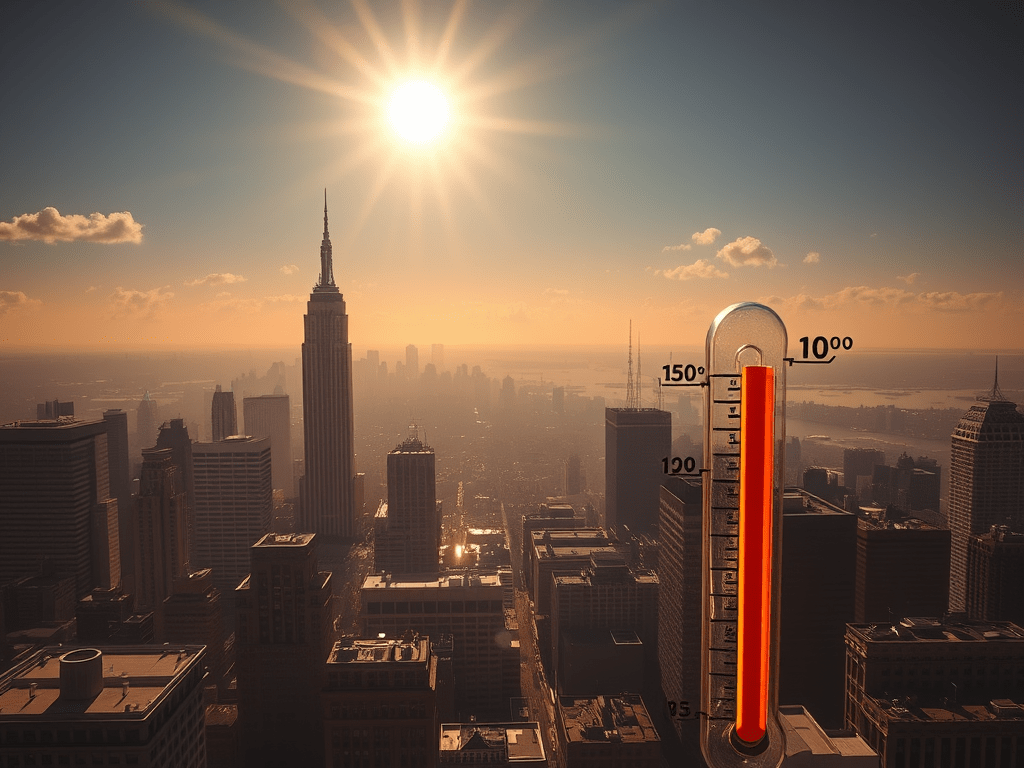
A historic heat dome is gripping much of the central and eastern United States, with Extreme Heat Warnings and Heat Advisories affecting 150–200 million people from Texas to Maine and into the Midwest foxweather.com+10the-sun.com+10theguardian.com+10weather.gov+7abcnews.go.com+7foxweather.com+7. Major cities like New York City, Boston, Philadelphia, Washington D.C., and Chicago have seen triple-digit temperatures—and heat indexes feeling like 110–126 °F .
Tuesday, June 24 marks the peak of this event:
- Boston, Washington D.C., NYC expected to reach or exceed 100°F washingtonpost.com
- Nighttime lows staying in the 70s–80s°F, offering little relief theguardian.com
This heatwave has broken century-old records, such as NYC tying its all-time June high last seen in 1888 weather.com+11theguardian.com+11theguardian.com+11.
🏥 Impacts on Health & Daily Life
- Over 100 people became ill at a high school graduation in Paterson, NJ, prompting a state of emergency due to sweltering conditions weather.com+2people.com+2nypost.com+2.
- Graduation ceremonies in the Northeast were disrupted; school events canceled for safety wbaltv.com+15weather.com+15abcnews.go.com+15.
- Public transport delays, including Amtrak speed restrictions on tracks over 95 °F weather.gov+4reuters.com+4reuters.com+4.
- Antidepressant users face heightened risk of heat illness, as certain SSRIs and TCAs affect the body’s ability to regulate temperature and sweat economictimes.indiatimes.com+4en.wikipedia.org+4nypost.com+4.
☀️ Weather Alerts Explained
According to the National Weather Service:
- Extreme Heat Warning: Triggered when heat index exceeds ~105°F for ≥3 hrs over 2 consecutive days, or hits 115°F for any duration. Indicates potentially deadly conditions en.wikipedia.org+15en.wikipedia.org+15weather.gov+15.
- Heat Advisory: Signifies dangerous—but slightly less extreme—heat conditions, warranting caution .
These alerts are designed to protect lives by urging precautions—especially among the most vulnerable.
✅ How to Stay Safe: Expert Tips
According to public health guidance axios.com:
- Stay Hydrated: Drink water or electrolyte drinks frequently—even if you’re not thirsty.
- Limit Outdoor Activity: Avoid intense exercise during peak daytimes; shift strenuous work to morning or evening.
- Seek Cool Environments: Use air conditioning or visit cooling centers. Many Northeast cities have activated public cooling zones en.wikipedia.org+8theguardian.com+8en.wikipedia.org+8axios.com.
- Know Heat Illness Signs: Heat exhaustion (dizziness, nausea, headache) can escalate into heat stroke—a life-threatening condition requiring immediate care en.wikipedia.org.
- Look Out for Others: Check on elderly individuals, those with chronic illnesses, and those taking medications like antidepressants or diuretics .
- Adjust Work Schedules: Outdoor workers should take frequent shaded breaks, hydrate, and start early to avoid midday heat reuters.com.
150–200 million Americans under alert 100°F+ heat indexes.
🌀 When Will Relief Arrive?
The extreme heat is expected to ease by Wednesday–Thursday, with temperatures dropping into the 80s °F by Friday in many regions wbaltv.com+2washingtonpost.com+2weather.com+2. However, widespread heat alerts may linger in some southern and eastern areas into the weekend.

 Latest Breaking News