
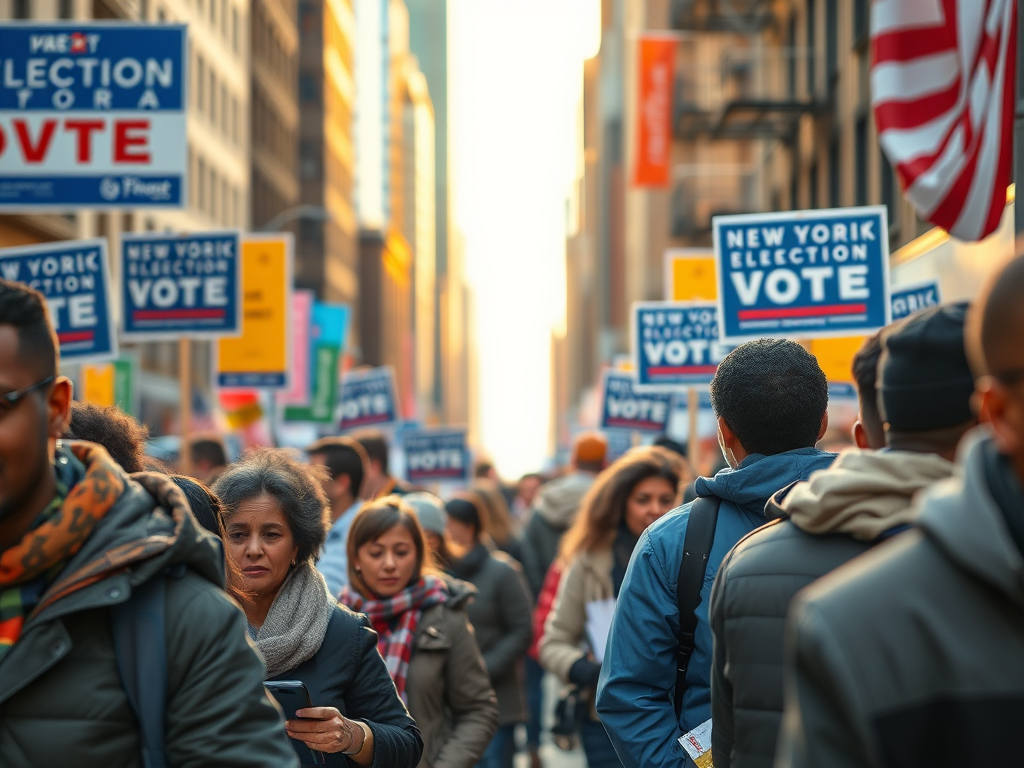
NYC Primaries 2025: Everything You Need to Know About This Year’s Key Elections
New York City held its 2025 primary elections on June 25, with voters across all five boroughs casting ballots in critical local races, including for City Council, District Attorneys, Borough Presidents, and judicial positions. The primaries mark the latest chapter in NYC’s political landscape, shaping the candidates who will move on to the general election in November.
Key Races to Watch
This year’s primaries focused largely on Democratic races, given the party’s dominance in NYC. However, several Republican primaries were also held in Staten Island and parts of Queens. Some of the most closely watched contests included:
- City Council District 9 (Harlem): A competitive race between incumbent Yusef Salaam and multiple challengers pushing progressive agendas.
- Brooklyn District Attorney: Incumbent Eric Gonzalez faced off against reform-minded critics focused on public safety and criminal justice policy.
- Queens Borough President: Donovan Richards Jr. sought re-election amid challenges from within the Democratic Party.
Ranked-Choice Voting Returns
Ranked-choice voting was again in use for municipal races, allowing voters to rank up to five candidates. This voting system, first adopted in NYC in 2021, continues to influence campaign strategy and voter engagement.
Voter Turnout Trends
Early reports indicated moderate voter turnout citywide, with higher participation in districts experiencing competitive City Council primaries. Turnout efforts were bolstered by community organizations and advocacy groups targeting young voters and communities of color.
Early Results and Next Steps
As of the latest update, several races remain too close to call due to absentee ballots and ranked-choice tabulations. Final certified results are expected in early July. Winners of these primaries will move on to the general election scheduled for November 4, 2025.
Why the NYC Primaries Matter
Though sometimes overlooked, local primaries determine who holds power in areas directly impacting everyday life—housing, public safety, education, and transit. In a city as diverse and politically active as New York, these races often set the tone for broader state and national conversations.

 Latest Breaking News