
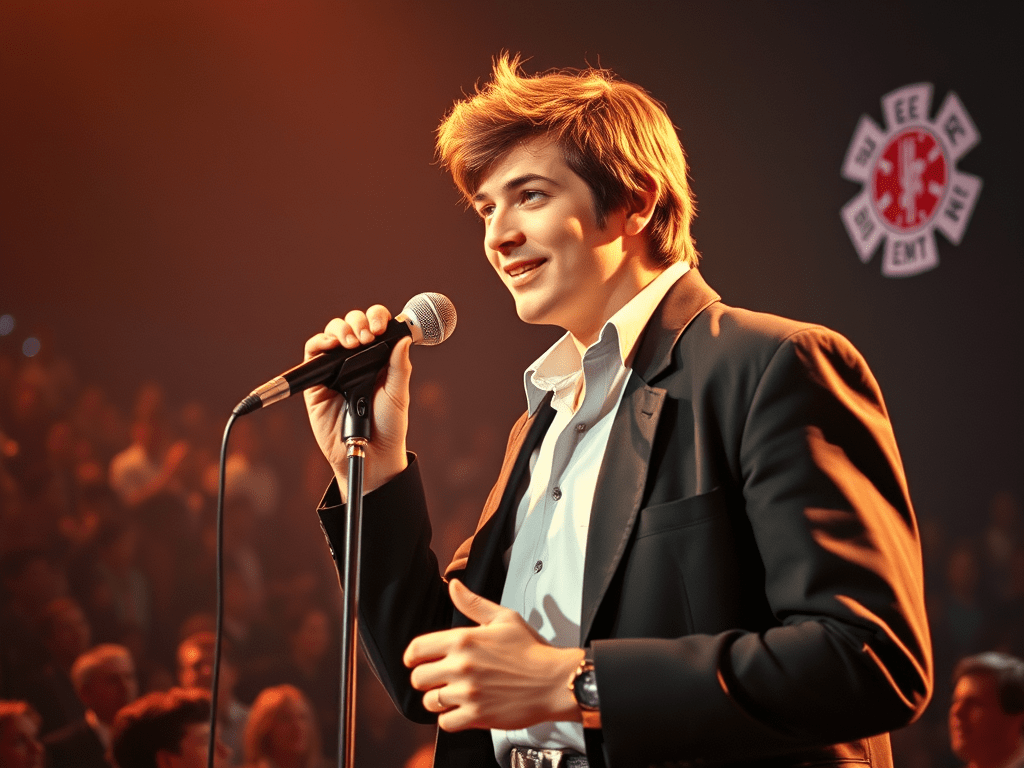
Bobby Sherman: From Pop Icon to Public Servant
In the late 1960s and early 1970s, few stars shone brighter in the world of teen pop than Bobby Sherman. With his boyish charm, catchy hit songs, and breakout TV roles, Sherman quickly became a household name and heartthrob for millions of fans. But what set him apart wasn’t just his stardom—it was what he chose to do after it.
Rise to Fame
Born Robert Cabot Sherman Jr. on July 22, 1943, in Santa Monica, California, Bobby Sherman first gained attention as a singer and actor. He was discovered after performing on ABC’s Shindig!—a music variety show that spotlighted rising stars. His good looks and charisma quickly made him a teen sensation.
His breakout moment came when he was cast as Jeremy Bolt on the TV series Here Come the Brides (1968–1970). Riding the wave of his TV fame, Sherman launched a successful music career with chart-topping hits such as:
- “Little Woman” (1969)
- “Julie, Do Ya Love Me” (1970)
- “Easy Come, Easy Go” (1970)
These songs earned him gold records and regular appearances in teen magazines like Tiger Beat, where he competed with the likes of David Cassidy and Donny Osmond for fan devotion.
Transition from Stardom
By the mid-1970s, as musical tastes shifted and his fame waned, Bobby Sherman began to quietly step away from the entertainment industry. But instead of chasing another role or album, he made an unexpected career pivot: he became a paramedic and later a police officer.
Sherman trained as an emergency medical technician (EMT) and served as a reserve police officer with the Los Angeles Police Department. He also became involved in law enforcement training, helping police officers learn CPR and first aid.
Legacy and Later Life
Bobby Sherman’s unique path from pop culture icon to public service hero earned him respect far beyond the stage. In 1990, he co-founded the Brady, Sherman and Associates CPR and EMT training center with fellow former teen idol David Cassidy.
He largely stayed out of the spotlight in later years, choosing to focus on family and charitable causes. Sherman has occasionally appeared at fan events and nostalgic concerts, but his legacy is now defined by a rare blend of fame, humility, and service.

 Latest Breaking News