
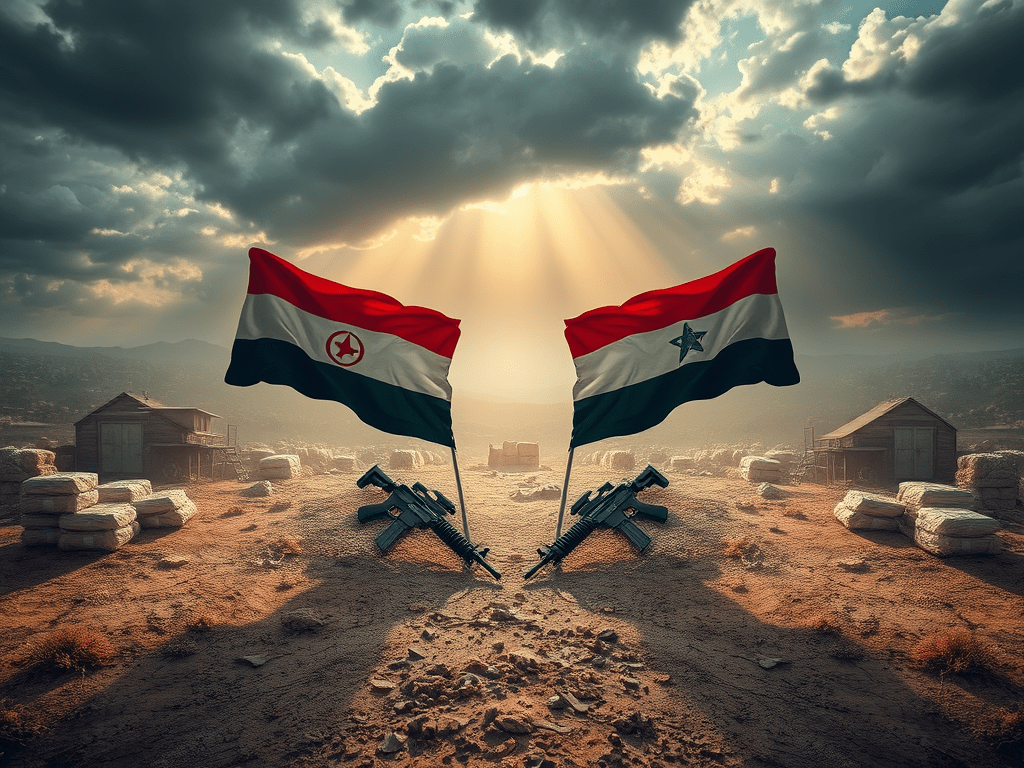
Could ceasefires be the key to ending modern wars?
What Is a Ceasefire? Understanding Its Role in Global Conflicts
A ceasefire is a temporary halt in fighting between warring parties, often negotiated to facilitate peace talks, deliver humanitarian aid, or de-escalate violence. Unlike a permanent peace agreement, a ceasefire is usually a short-term measure aimed at creating stability in conflict zones.
In recent years, ceasefires have played a crucial role in conflicts such as those in Ukraine, Gaza, Syria, and Yemen, offering brief respites for civilians and opportunities for diplomatic solutions.
Why Are Ceasefires Important? Key Benefits
- Humanitarian Relief – Ceasefires allow aid organizations to deliver food, medical supplies, and other essentials to war-torn regions.
- Civilian Protection – Pauses in fighting reduce casualties and give civilians a chance to evacuate or seek shelter.
- Diplomatic Opportunities – Temporary truces provide a window for negotiations, potentially leading to long-term peace agreements.
- De-escalation of Violence – Even short-term ceasefires can prevent further military escalation and reduce regional instability.
Challenges in Implementing Ceasefires
Despite their benefits, ceasefires often face obstacles, including:
- Violations by Warring Parties – Some factions may exploit ceasefires to regroup or launch surprise attacks.
- Lack of Enforcement Mechanisms – Without strong oversight, agreements can quickly collapse.
- Political Distrust – Opposing sides may hesitate to commit to a truce without guarantees of compliance.
Notable Ceasefires in History
- Korean War Armistice (1953) – Although a full peace treaty was never signed, the ceasefire created a demilitarized zone (DMZ) that remains in place today.
- Syrian Civil War Ceasefires (2016-2020) – Multiple attempts at ceasefires were brokered by the UN and other mediators, with varying success.
- Israel-Hamas Temporary Truces (2023-2024) – Short-lived pauses allowed hostage exchanges and aid deliveries in Gaza.
The Future of Ceasefires: Can They Lead to Lasting Peace?
While ceasefires alone may not resolve deep-rooted conflicts, they remain a vital tool for reducing suffering and creating pathways to negotiation. International organizations like the United Nations, Red Cross, and regional mediators continue to push for enforceable ceasefire agreements in active war zones.
For lasting peace, ceasefires must be coupled with inclusive peace talks, accountability measures, and post-conflict reconstruction efforts.

 Latest Breaking News